
Investing in early years is right for children and governments
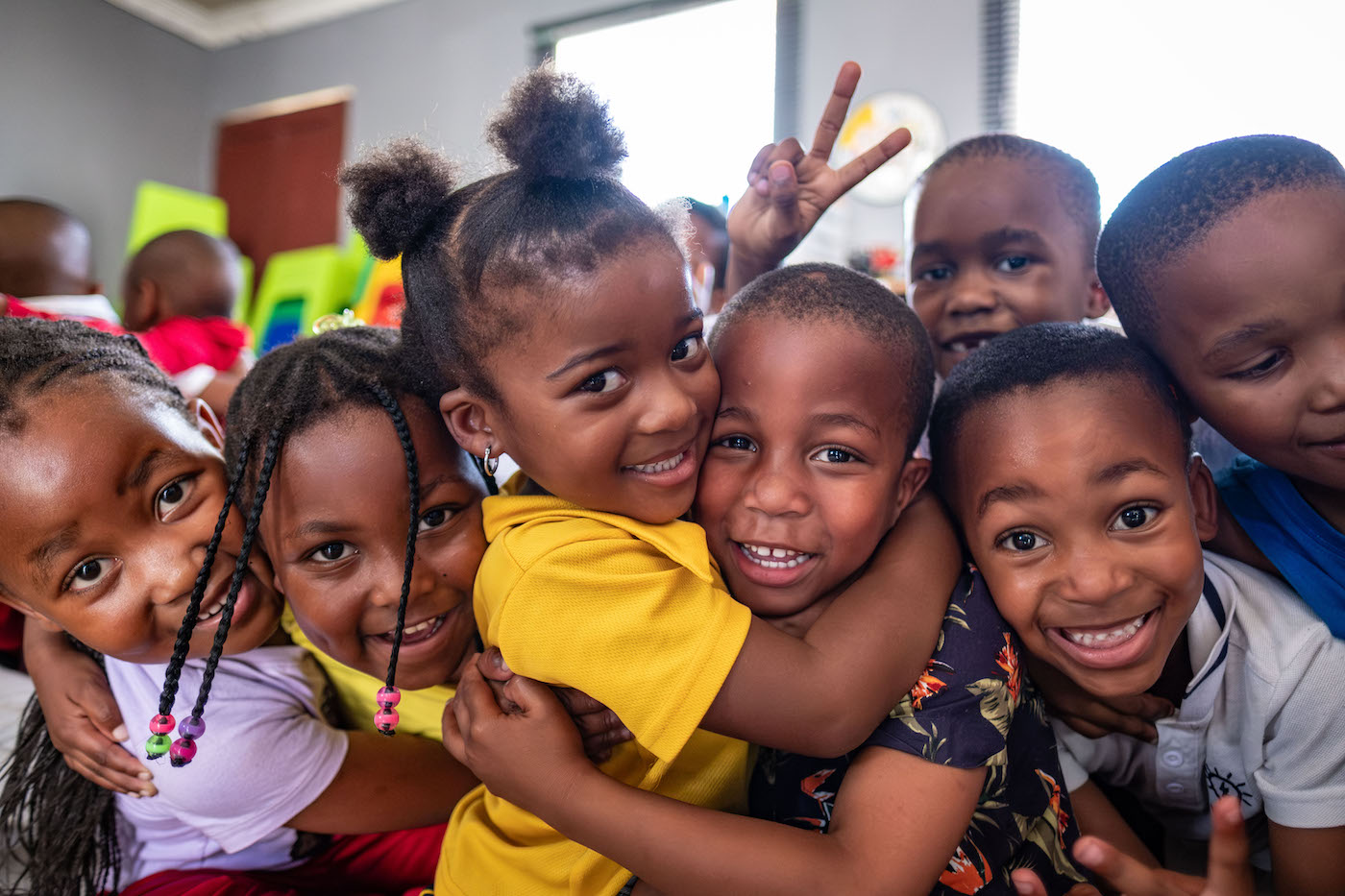
ABOVE: The Ladles of Love programme in Cape Town, South Africa, is dedicated to providing food security and good nutritious meals to fuel young children’s learning and concentration
Governments across the world are facing a combination of crises that place heavy demands on their already stretched budgets.
But as countries deal with competing financial pressures and families face rising living costs that make it harder to provide nurturing care for their young children, one thing is abundantly clear. Investing in the early years is the right thing to do, both economically and for the youngest children to grow and flourish.
Financing early years care and education can help governments achieve a range of important goals already at the top of their agendas – from foundational learning and human capital development to workforce participation, child and maternal nutrition, gender equity and poverty reduction.
Countries that give every child a strong foundation will be better placed to thrive in the future. And investing now – not deferring action for years – is one of the most reliable returns available to any government. That message is emphasised in the findings of a new report produced for the Act For Early Years campaign.
Big Wins for Early Childhood is the work of world-leading academics, published on the eve of the World Bank/IMF Spring Meetings in Washington, DC. It’s the first-ever investment guide for government finance and planning ministers on how to make bold and lasting commitments to the early years that will give every child a strong foundation through quality childcare, healthcare and preschool education.
The academic group was established last year when Act For Early Years pulled together some of the best minds in their fields ahead of the first International Finance Summit for Early Childhood in 2027. They have been researching cost-effective policies and programmes that work successfully in various parts of the world.
Big Wins for Early Childhood is the latest result of that research. For each intervention, the guide sets out evidence to show what investment commitments can deliver.
For example, providing quality early education and care for children aged three to school age returns $12 for each dollar. Giving cash transfers – direct payments to families to strengthen household income and improve access to services – can return $19.
The guide says: “The returns on early years investment do not all sit decades away. For the right interventions, they begin arriving in year one.”
The Big Wins are drawn from research led by Professor Florencia Lopez Boo, Director, New York University Global TIES for Children. She said: “This guide builds on decades of rigorous academic research to put the strongest available evidence directly in the hands of the ministers who set national budgets.
“The good news is that today we have more at-scale interventions than ever before and, over the last decade, the external validity of this evidence has grown significantly stronger. It brings together what works, what it costs and what it returns, in a form that finance ministers can act on now.
“Policymakers in low- and middle-income countries face profound economic and moral challenges: identifying how best to invest in their most precious resource – their children. This guide is a first concrete step toward meeting that challenge. The case for investing in young children has never been stronger.”
For the investment guide, the experts identified three areas where governments can make Big Wins that are proven to work and are affordable. They align with the three Act For Early Years campaign goals on early health and nutrition, quality childcare and preschool education, and early stimulation and parenting programmes.
Each of the wins has been tested at scale in low- and middle-income countries and each delivers measurable returns that reach well beyond the child – both in the short and long term.
The experts have also identified under-researched areas that need more investigation in coming months, including family support policies and mental health interventions.
